Scaling a Website Redesign
As Greenlight’s website became a primary acquisition channel, its experience and infrastructure struggled to scale. I led a redesign across brand evolution, design systems, motion, and experimentation—transforming the marketing site into a scalable, system-driven platform that improved product clarity, consistency across touchpoints, and overall engagement.
Role
As Digital Design Director, I led shared design foundations, component governance across Figma, CMS, and code, and an incremental rollout strategy that modernized the site in production while aligning with product timelines.
Company
Greenlight Financial Technology
The work involved
Design systems
Motion design
UX/Visual
CMS architecture
Scaling a Website Redesign
As Greenlight’s website became a primary acquisition channel, its experience and infrastructure struggled to scale. I led a redesign across brand evolution, design systems, motion, and experimentation—transforming the marketing site into a scalable, system-driven platform that improved product clarity, consistency across touchpoints, and overall engagement.
Role
As Digital Design Director, I led shared design foundations, component governance across Figma, CMS, and code, and an incremental rollout strategy that modernized the site in production while aligning with product timelines.
Company
Greenlight Financial Technology
The work involved
Design systems
Motion design
UX/Visual
CMS architecture
Scaling a Website Redesign
As Greenlight’s website became a primary acquisition channel, its experience and infrastructure struggled to scale. I led a redesign across brand evolution, design systems, motion, and experimentation—transforming the marketing site into a scalable, system-driven platform that improved product clarity, consistency across touchpoints, and overall engagement.
Role
As Digital Design Director, I led shared design foundations, component governance across Figma, CMS, and code, and an incremental rollout strategy that modernized the site in production while aligning with product timelines.
Company
Greenlight Financial Technology
The work involved
Design systems
Motion design
UX/Visual
CMS architecture
01
Challenge
Understanding our unique situation
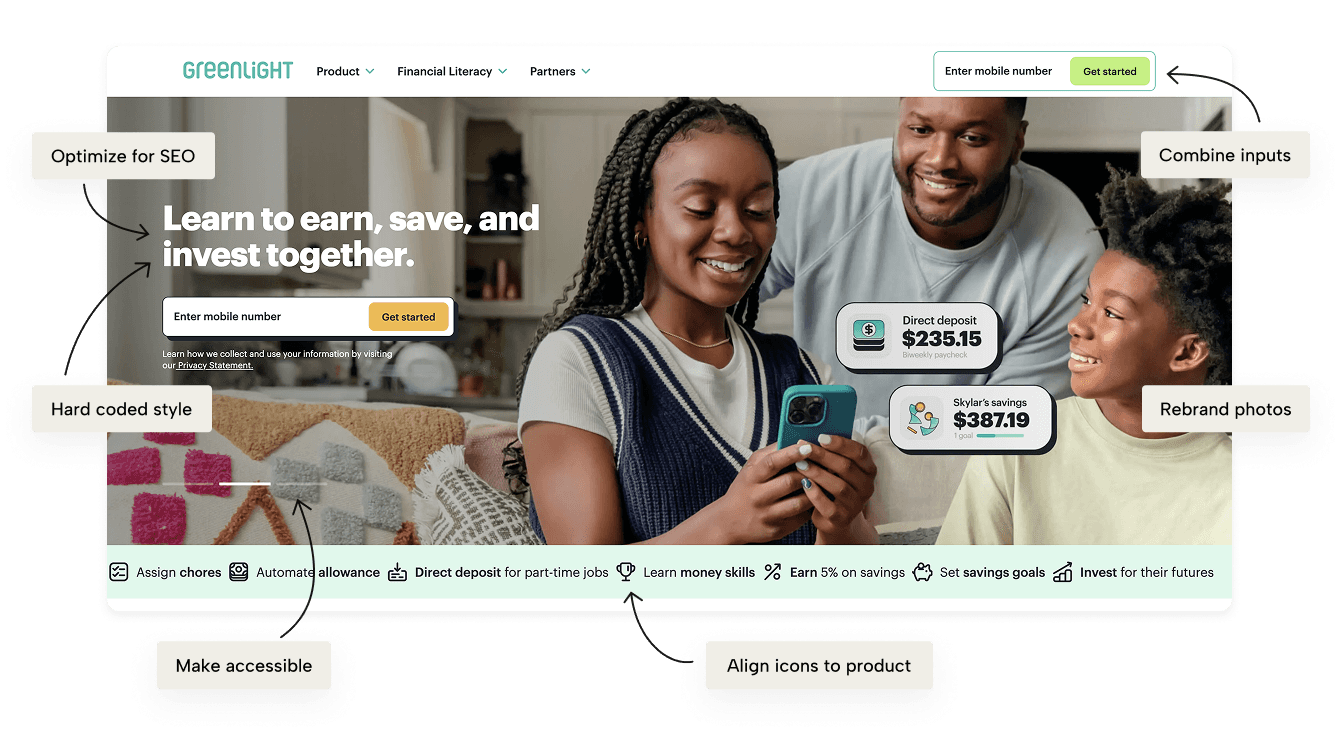
When I joined Greenlight, the rebrand was still evolving, design leadership was shifting, and the marketing site lacked a unified system. The majority of the site was hard-coded and disconnected from production design files, while the user experience lacked clear product education, cohesive navigation, and consistency across acquisition touchpoints. Despite fragmented systems and little recent data to reference, we still had ambitious growth goals to hit.
01
Challenge
Understanding our unique situation
When I joined Greenlight, the rebrand was still evolving, design leadership was shifting, and the marketing site lacked a unified system. The majority of the site was hard-coded and disconnected from production design files, while the user experience lacked clear product education, cohesive navigation, and consistency across acquisition touchpoints. Despite fragmented systems and little recent data to reference, we still had ambitious growth goals to hit.
02
Opportunities
Time became leverage
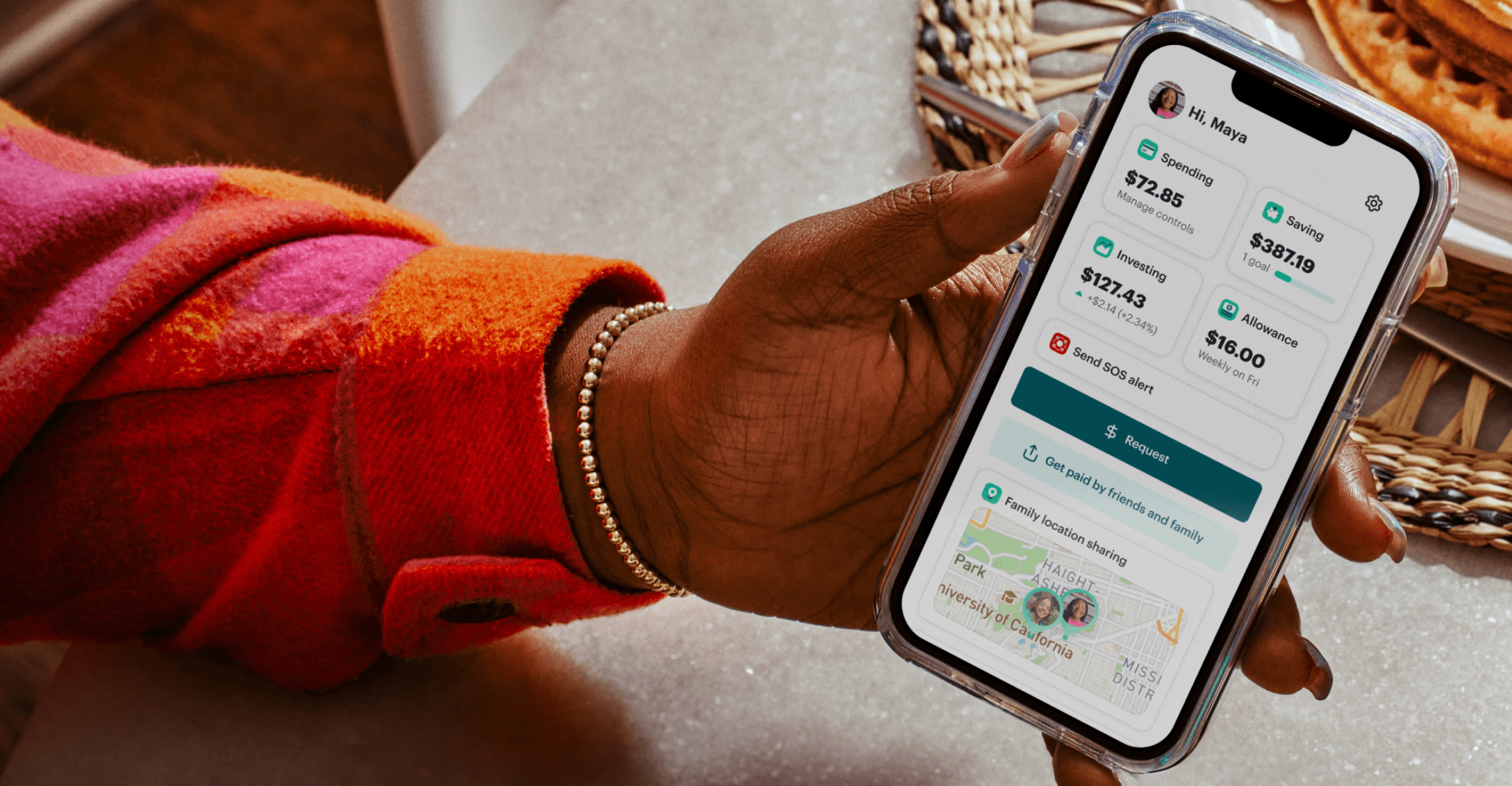
A site audit and cross-functional interviews exposed important systemic constraints, creating opportunities to modernize the experience incrementally, align fragmented workflows across teams, and build scalable foundations that supported both immediate growth goals and long-term evolution.
02
Opportunities
Time became leverage
A site audit and cross-functional interviews exposed important systemic constraints, creating opportunities to modernize the experience incrementally, align fragmented workflows across teams, and build scalable foundations that supported both immediate growth goals and long-term evolution.
1
Foster alignment across brand and product teams
1
Foster alignment across brand and product teams
2
Drive low cost growth through incremental modernization
3
Build scalable shared foundations for future growth
4
Reduce tech debt through system alignment
4
Reduce tech debt through system alignment
03
Approach + Outputs
Redesigning the experience incrementally
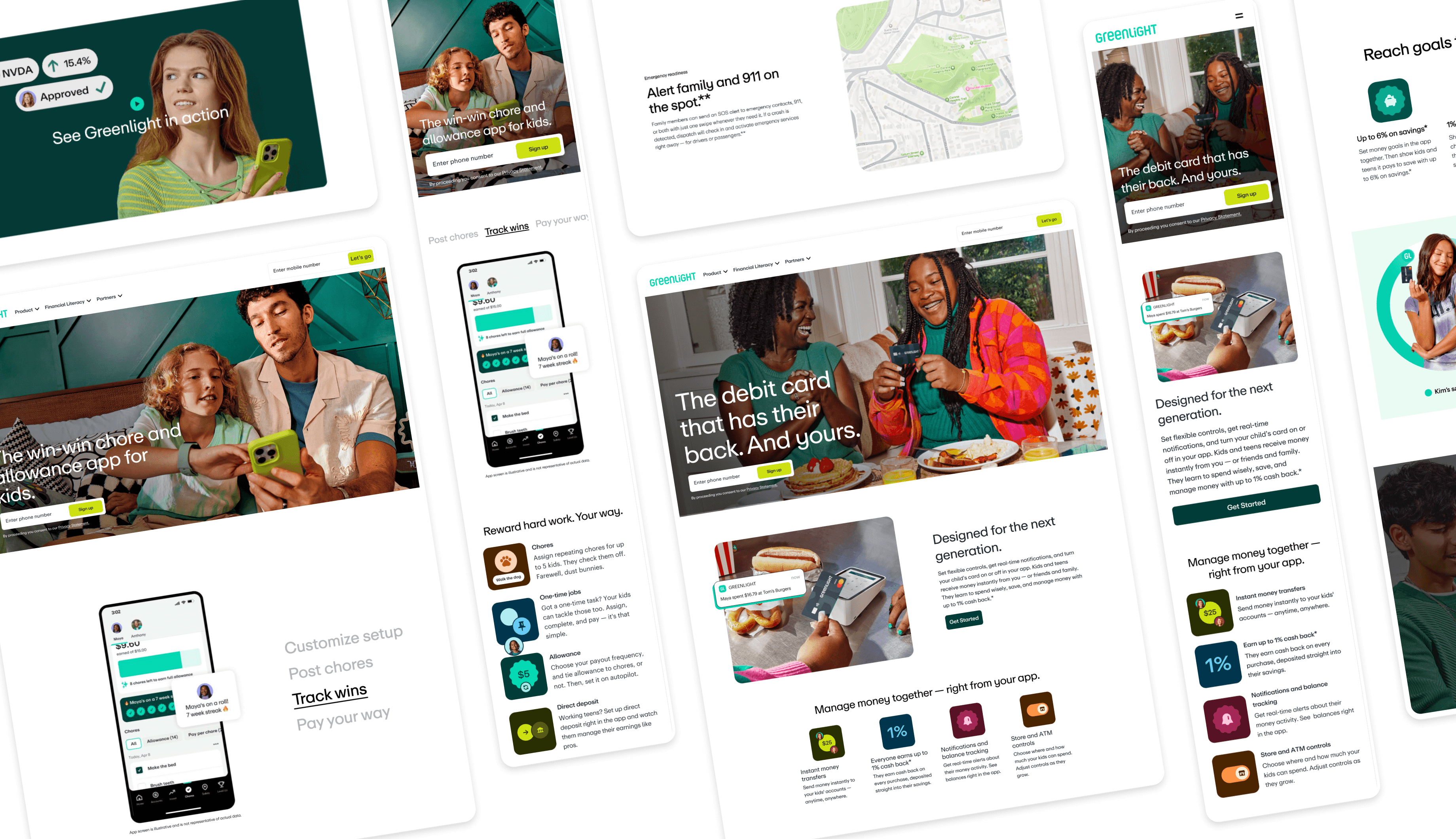
We used iterative redesigns and experimentation to modernize high-impact experiences in production while establishing scalable systems across design, CMS, and code.
03
Approach + Outputs
Redesigning the experience incrementally
We used iterative redesigns and experimentation to modernize high-impact experiences in production while establishing scalable systems across design, CMS, and code.
1—By validating experiences in production...
We gained experimentation insights
Exposed information outperforms closed drawers.
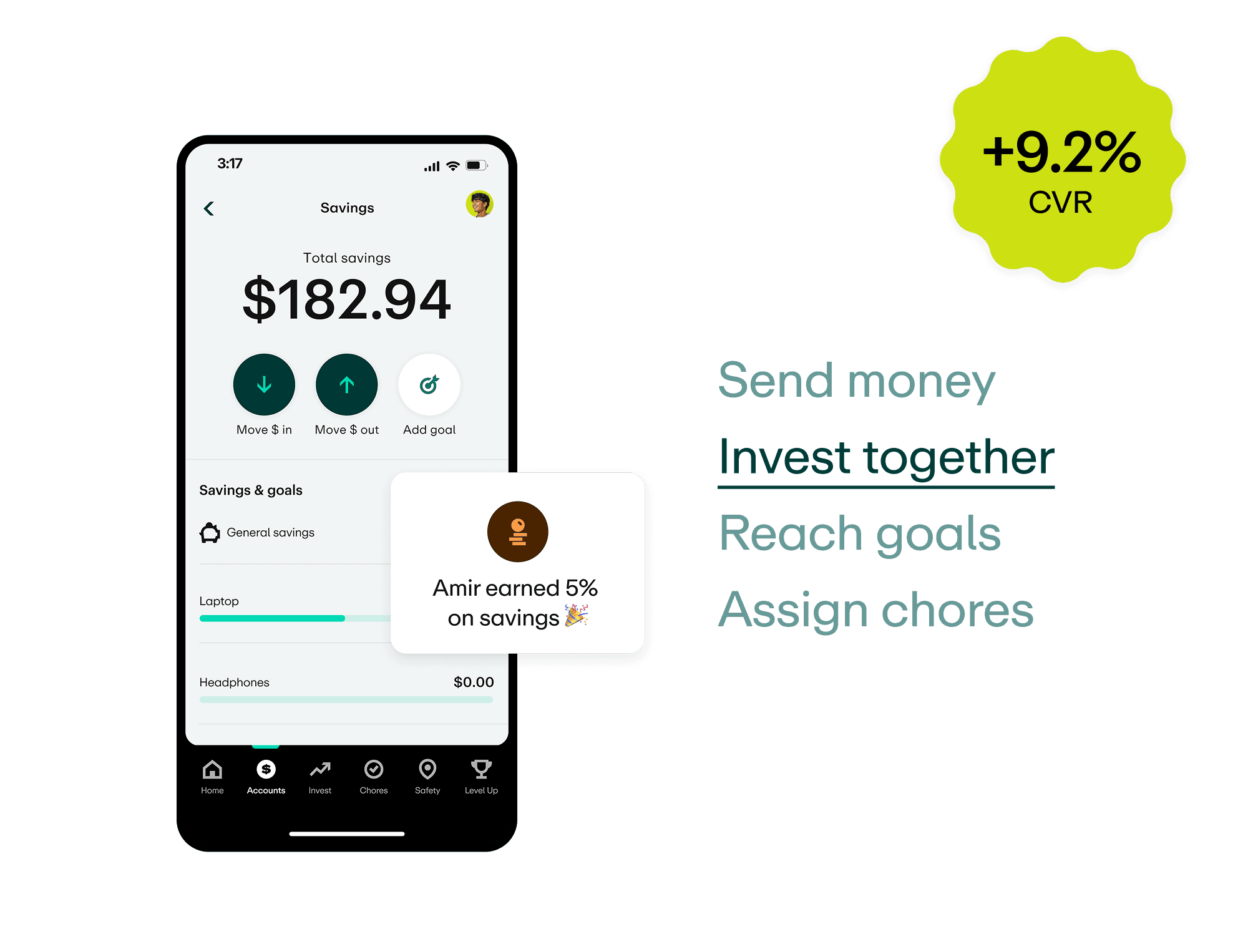
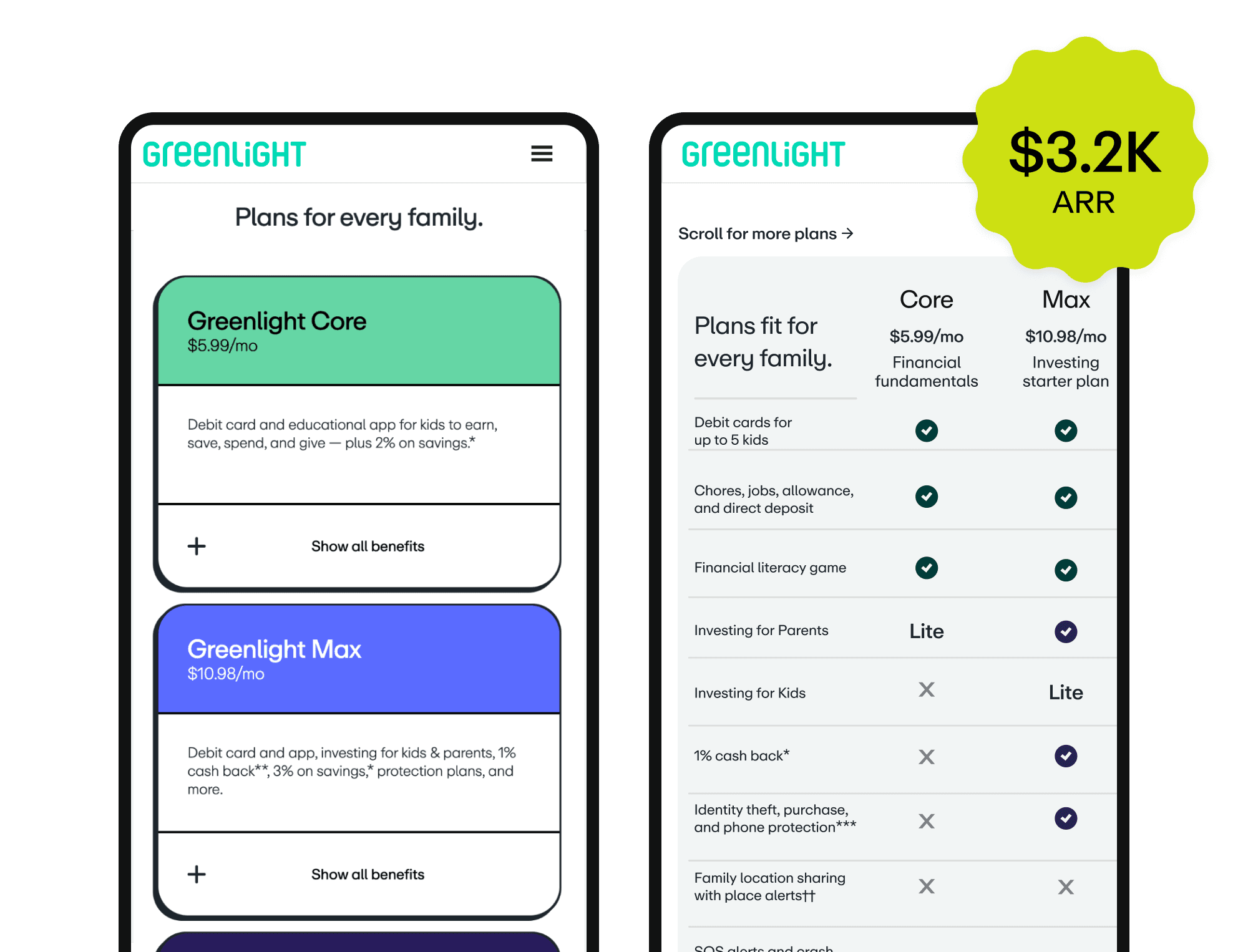
Interactive product education increases engagement and clarity.
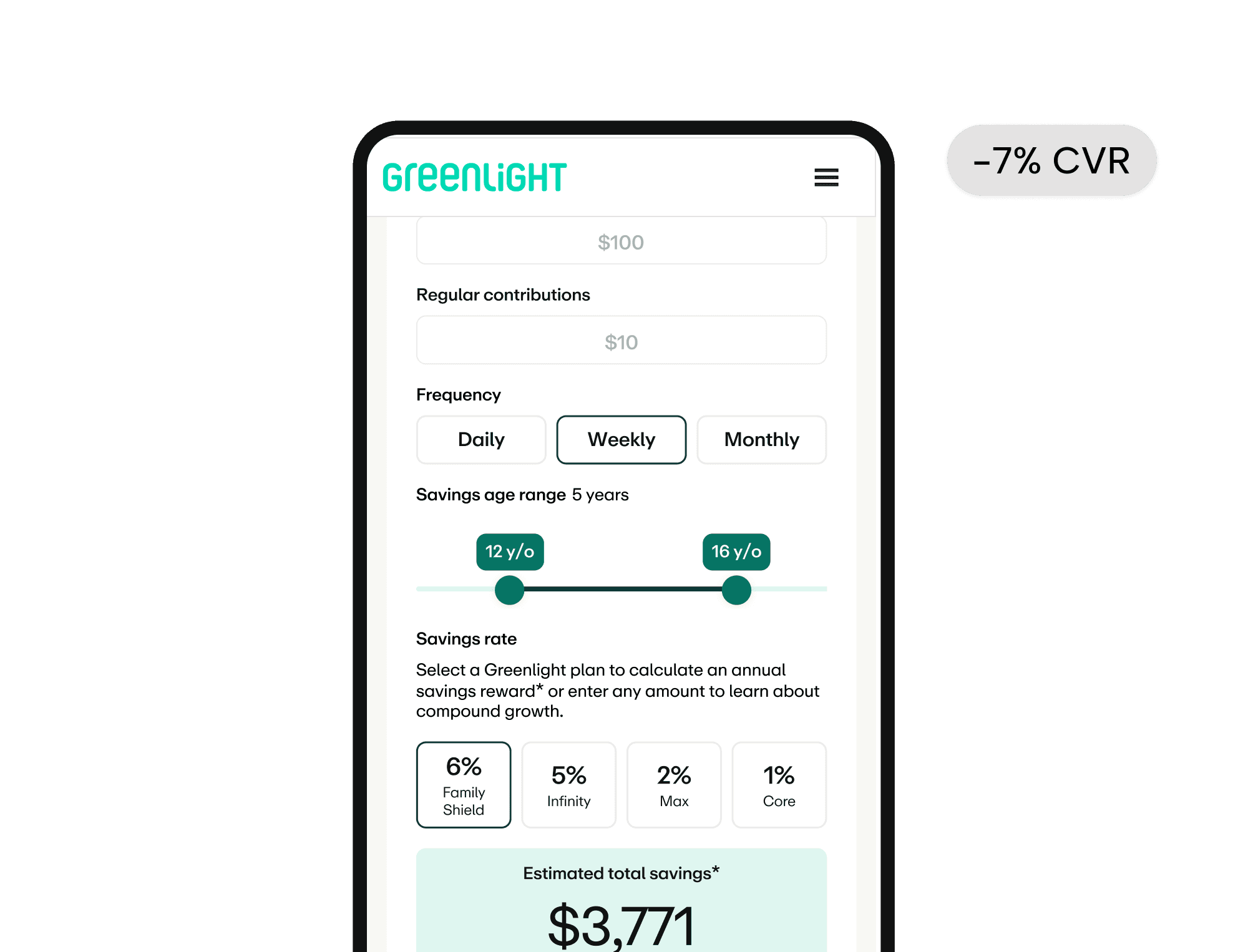
We avoided investing in components that failed to drive results.
1—By validating experiences in production...
We gained experimentation insights
Exposed information outperforms closed drawers.
Interactive product education increases engagement and clarity.
We avoided investing in components that failed to drive results.
1—By validating experiences in production...
We gained experimentation insights
Exposed information outperforms closed drawers.
Interactive product education increases engagement and clarity.
We avoided investing in components that failed to drive results.
The homepage became a lucrative live testing ground
We quickly validated future-state concepts
As experimentation insights became clearer and the rebrand evolved, we used both to prototype future-facing redesign concepts to validate interaction patterns, inform new systems, and eventually rolled out through agile implementation.
Homepage
Product feature page
Sitewide navigation
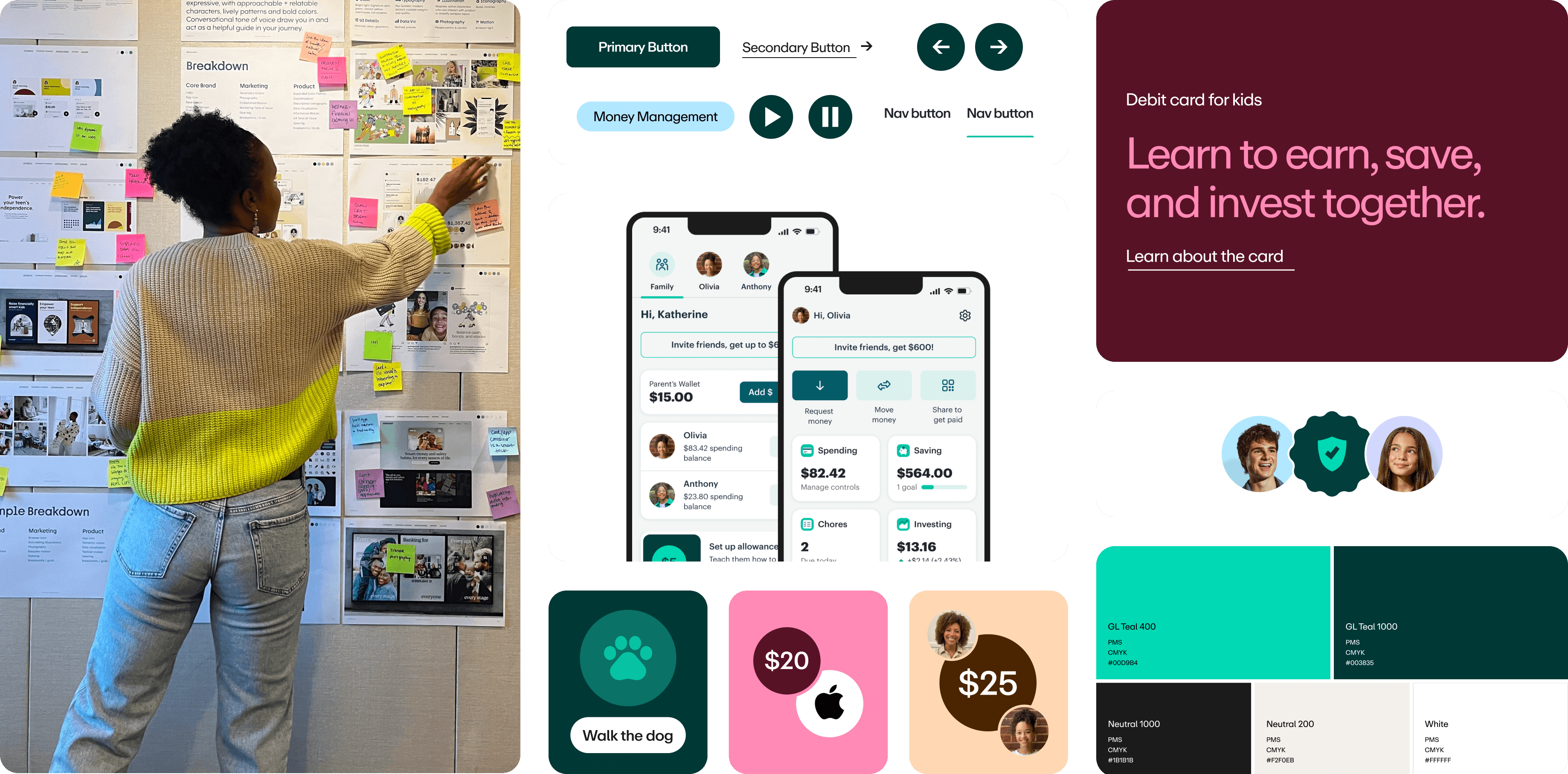
2—We built shared systems to scale
2—Building shared systems for long-term scale
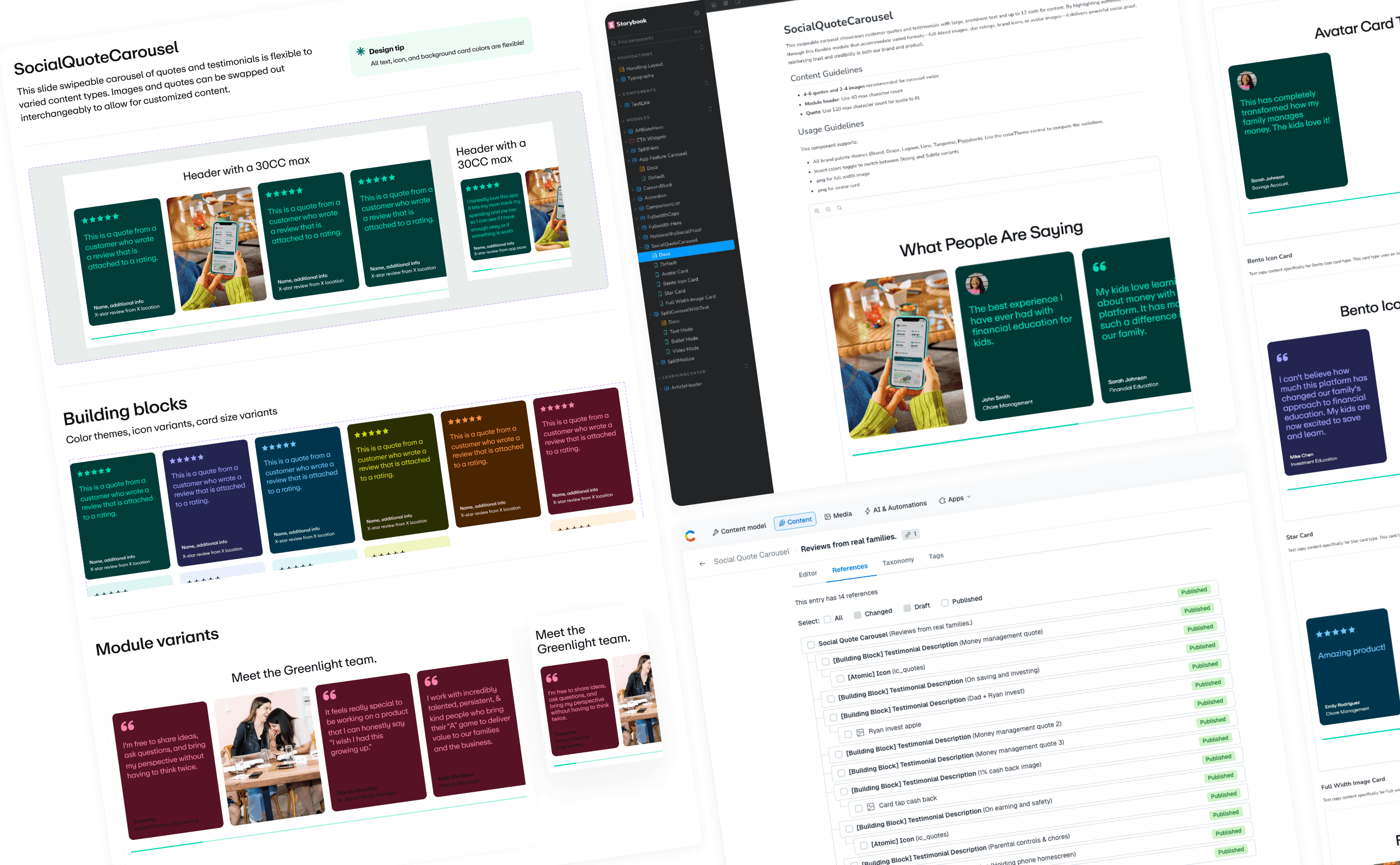
3—We then scaled what worked and aligned systems across design + dev
04
Impact
Building a scalable foundation
The redesign unified fragmented workflows across design and development while improving consistency across acquisition experiences and enabling faster iteration.

Validated redesign patterns improved conversion performance and created a stronger foundation for future platform growth.
Learnings
04
Impact
Building a scalable foundation
The redesign unified fragmented workflows across design and development while improving consistency across acquisition experiences and enabling faster iteration.
Validated redesign patterns improved conversion performance and created a stronger foundation for future platform growth.
Learnings
04
Impact
Building a scalable foundation
The redesign unified fragmented workflows across design and development while improving consistency across acquisition experiences and enabling faster iteration.
Validated redesign patterns improved conversion performance and created a stronger foundation for future platform growth.
Learnings
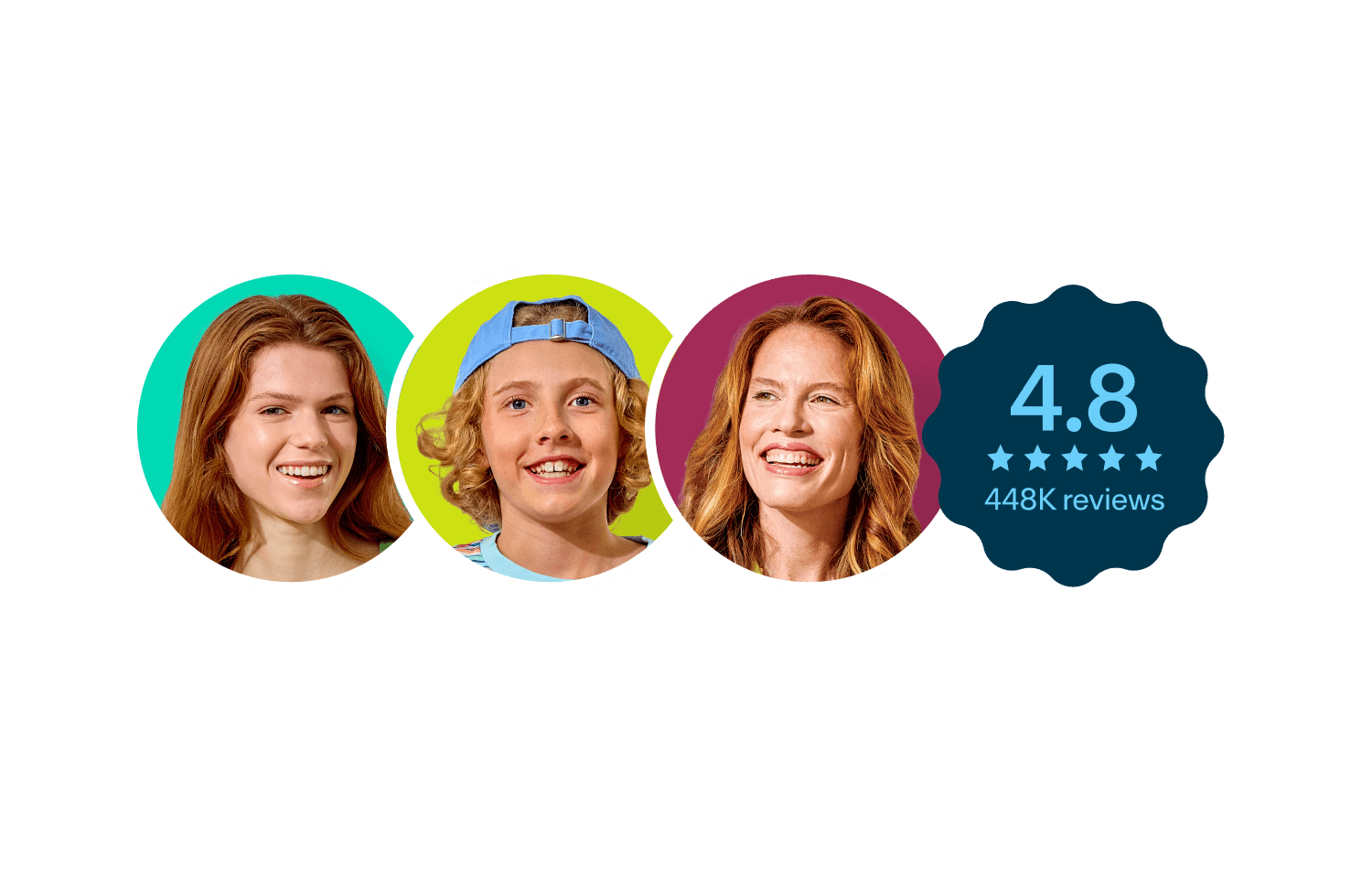
Growth Experimentation
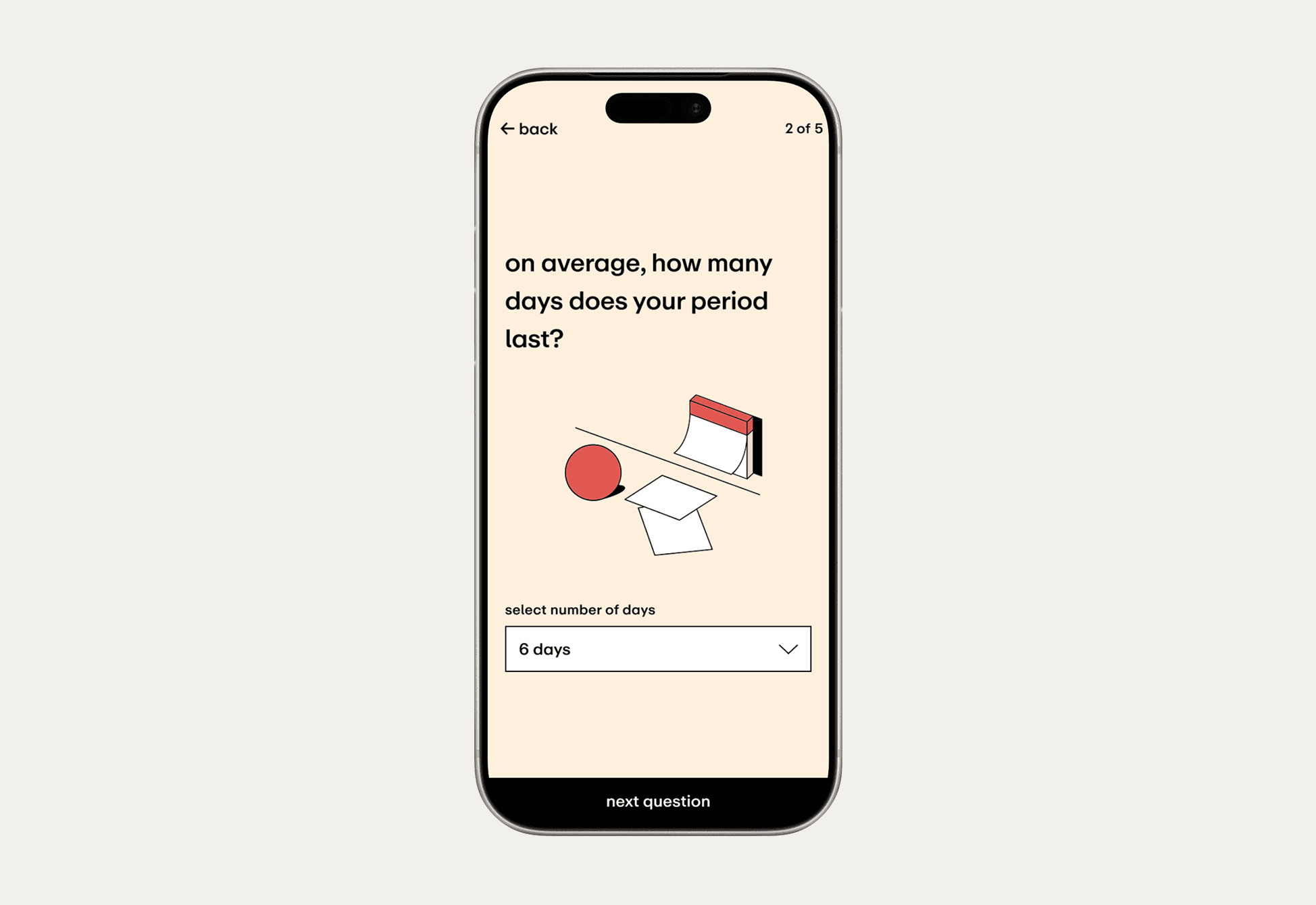
Know Your Flow Quiz

Web Product Dashboard
Growth Experimentation
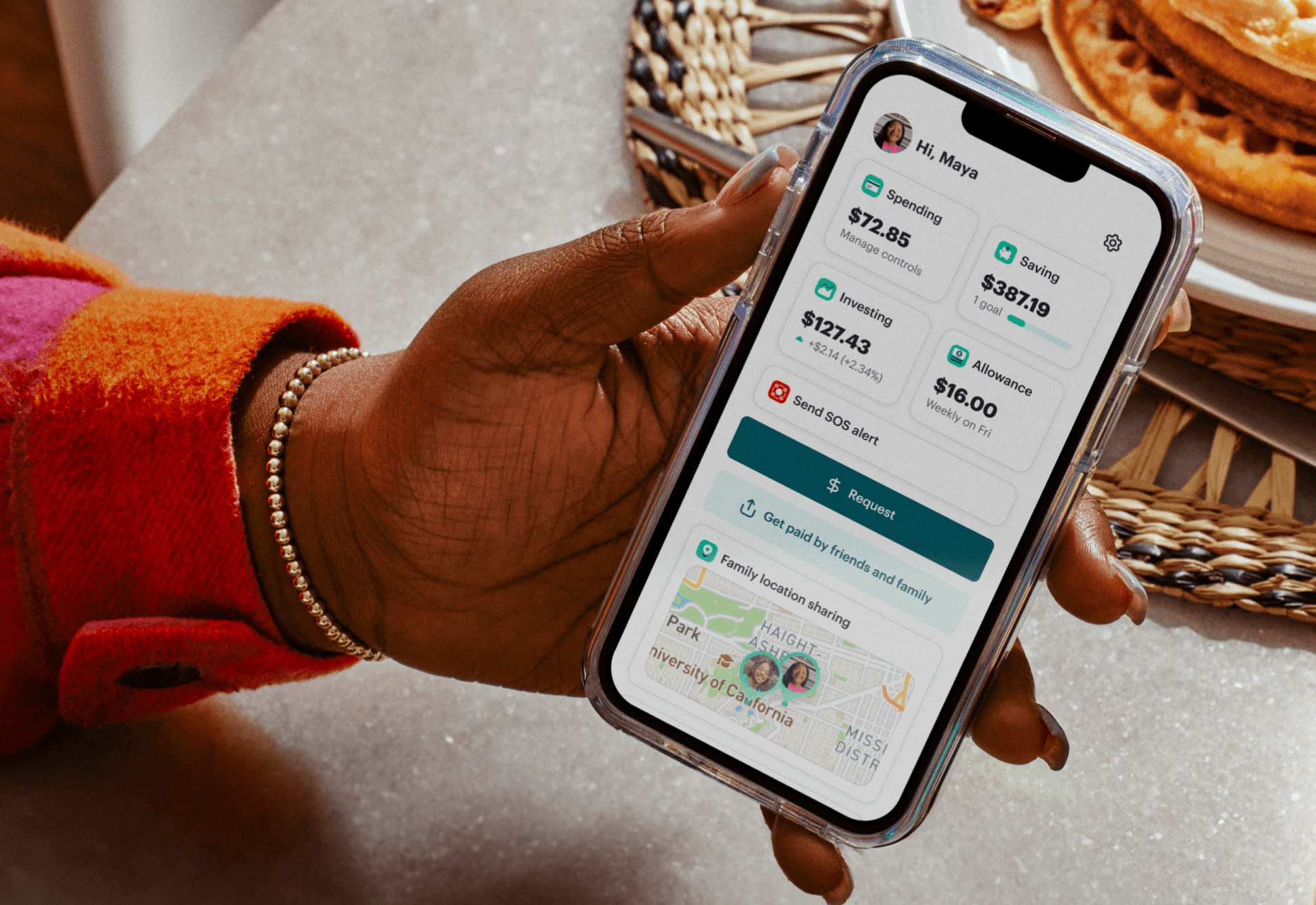
Website Redesign
Web Product Dashboard
Growth Experimentation
Know Your Flow Quiz